Opinião
Entre culturas, fusos horários e decisões: a nova realidade da liderança global
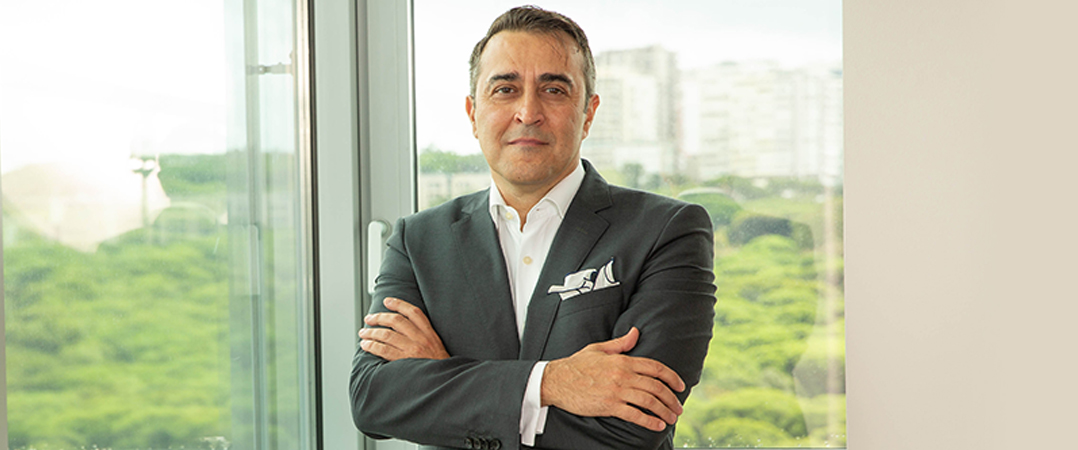
Foto: Alberto Jorge Ferreira
Ao longo dos últimos anos, escrevi várias vezes sobre cultura, trabalho remoto, identidade, adaptação e sobre a forma como viajar nos obriga a olhar o mundo de maneira diferente.
Com o tempo, comecei a perceber que todos esses temas estavam, na realidade, ligados pela mesma questão central: o impacto humano da liderança num mundo cada vez mais distribuído, acelerado e culturalmente fragmentado. Este artigo nasce precisamente dessa interseção.
Liderar equipas globais já não cabe na lógica tradicional de um horário de trabalho, nem na ideia de que o mesmo modelo de liderança funciona em todos os contextos culturais. O mundo tornou-se demasiado rápido, demasiado distribuído e demasiado diverso para isso. Uma realidade que continua, muitas vezes, pouco discutida de forma aberta.
Não nasce da falta de competência, nem da ausência de equipas fortes ou estruturas sofisticadas. Nasce da velocidade, do excesso de ligação e da pressão constante para decidir entre culturas diferentes, fusos horários incompatíveis e realidades humanas que raramente cabem num organograma.
Hoje, um líder pode começar o dia com equipas na Ásia, atravessar diferentes culturas ao longo da manhã no Médio Oriente, alinhar decisões estratégicas com a Europa durante a tarde e terminar a noite em reuniões com os Estados Unidos. Tudo no mesmo dia. Tudo através de ecrãs. E, quase sem perceber, o conceito tradicional de horário de trabalho desaparece. Deixam de existir dias de oito horas, manhãs ou tardes bem definidas. Existe apenas uma sequência contínua de decisões, mensagens, chamadas e contextos que nunca param verdadeiramente.
À distância, a liderança global parece eficiente, moderna e perfeitamente sincronizada. Mas a realidade raramente é tão linear. Porque liderar equipas distribuídas nunca foi apenas uma questão operacional. É, acima de tudo, um exercício contínuo de adaptação humana.
O verdadeiro desafio da liderança global raramente está na distância entre países. Está na distância entre formas diferentes de pensar, comunicar e decidir.
Tal como acontece com a cultura, diferentes contextos moldam diferentes formas de comunicar, negociar, discordar e criar confiança. O que numa cultura é visto como transparência, noutra pode ser interpretado como confronto. O que para uns representa autonomia, para outros pode parecer ausência de liderança.
Em alguns contextos, rapidez significa competência. Noutros, rapidez excessiva significa imprudência. Há equipas que valorizam direção constante e outras que esperam liberdade para decidir. E é precisamente nessa diferença invisível de expectativas que muitos líderes falham, não por falta de capacidade técnica, mas por incapacidade de adaptação.
Ao longo dos anos, aprendi que muitas decisões aparentemente técnicas são, na realidade, profundamente humanas. Um atraso numa entrega pode esconder medo de falhar. Um silêncio numa reunião pode significar respeito e não falta de opinião. Uma resistência à mudança pode não ser incompetência, mas simplesmente insegurança perante contextos desconhecidos.
Talvez por isso, liderar ambientes globais exija uma capacidade contínua de adaptação emocional e intelectual que raramente aparece nos livros de gestão. Porque trabalhar entre culturas diferentes exige muito mais do que visão estratégica ou capacidade de execução. Exige a capacidade de interpretar contextos distintos, ajustar formas de comunicação, compreender sensibilidades diferentes e manter clareza mesmo quando tudo à volta opera segundo referências culturais completamente distintas.
E quando essa complexidade cultural se junta à velocidade do trabalho remoto, surge uma nova forma de desgaste silencioso.
O trabalho remoto trouxe eficiência, flexibilidade e proximidade operacional entre continentes. Mas trouxe também uma expectativa permanente de disponibilidade. As mensagens chegam a qualquer hora, as decisões tornaram-se instantâneas e a fronteira entre presença profissional e ausência pessoal praticamente desapareceu.
Nunca estivemos tão ligados e, ao mesmo tempo, tão emocionalmente distantes.
A pressão invisível da liderança moderna raramente vem apenas dos resultados. Vem da necessidade constante de manter equilíbrio enquanto tudo à volta muda em simultâneo. Mudam os mercados, mudam os contextos culturais, mudam as prioridades e muda até a forma como as pessoas se relacionam com o trabalho, com autoridade e com propósito.
Viajar ensina rapidamente uma verdade simples: o mundo funciona de formas diferentes e nenhuma delas é absoluta. Talvez por isso, os líderes mais preparados para ambientes globais raramente sejam os que falam mais alto. São normalmente os que observam melhor, escutam antes de reagir e conseguem adaptar-se sem perder identidade.
Porque no final, independentemente do país, do idioma ou do mercado, liderança continua a ser sobre pessoas. E pessoas não se gerem apenas com processos, métricas ou tecnologia. Gerem-se com contexto, presença, confiança e humanidade.
Num mundo dividido entre fusos horários, culturas e expectativas incompatíveis, talvez a verdadeira vantagem competitiva do futuro não seja tecnológica.
Talvez seja humana.
Versão em Inglês
Between Cultures, Time Zones and Decisions: The New Reality of Global Leadership
Over the past few years, I have written several times about culture, remote work, identity, adaptation and the way travelling forces us to see the world differently. Over time, I began to realise that all of these themes were, in fact, connected by the same central issue: the human impact of leadership in a world that is increasingly distributed, accelerated and culturally fragmented. This article emerges precisely from that intersection.
Leading global teams no longer fits within the traditional logic of working hours, nor within the idea that the same leadership model works across every cultural context. The world has become too fast, too distributed and too diverse for that. A reality that still remains, in many ways, insufficiently discussed in an open manner.
It does not come from a lack of competence, nor from the absence of strong teams or sophisticated structures. It comes from speed, constant connectivity and the pressure of making decisions between different cultures, incompatible time zones and human realities that rarely fit into an organisational chart.
Today, a leader may begin the day with teams in Asia, move through different cultures across the Middle East during the morning, align strategic decisions with Europe during the afternoon and end the evening in meetings with the United States. All within the same day. All through screens. And almost without noticing, the traditional concept of working hours disappears. There are no longer eight-hour days, clearly defined mornings or afternoons. There is only a continuous sequence of decisions, messages, calls and contexts that never truly stop.
From a distance, global leadership appears efficient, modern and perfectly synchronised. But reality is rarely that linear. Because leading distributed teams has never been merely an operational matter. Above all, it is a continuous exercise in human adaptation.
The true challenge of global leadership rarely lies in the distance between countries. It lies in the distance between different ways of thinking, communicating and making decisions.
Just as with culture, different contexts shape different ways of communicating, negotiating, disagreeing and building trust. What is seen as transparency in one culture may be interpreted as confrontation in another. What represents autonomy for some may feel like absence of leadership for others.
In some contexts, speed represents competence. In others, excessive speed represents recklessness. Some teams value constant direction while others expect freedom to decide. And it is precisely within these invisible differences in expectations that many leaders fail, not because they lack technical capability, but because they lack the ability to adapt.
Over the years, I have learned that many apparently technical decisions are, in reality, deeply human. A delay in delivery may conceal fear of failure. Silence during a meeting may represent respect rather than lack of opinion. Resistance to change may not be incompetence, but simply insecurity in unfamiliar contexts.
Perhaps this is why leading global environments requires a continuous capacity for emotional and intellectual adaptation, something that rarely appears in management books. Working across cultures demands far more than strategic vision or execution capability. It requires the ability to interpret different contexts, adjust communication styles, understand different sensitivities and maintain clarity even when everything around operates according to completely different cultural references.
And when this cultural complexity merges with the speed of remote work, a new form of silent exhaustion emerges.
Remote work brought efficiency, flexibility and operational proximity across continents. But it also created a permanent expectation of availability. Messages arrive at all hours, decisions became instantaneous and the boundary between professional presence and personal absence has almost disappeared.
We have never been so connected and, at the same time, so emotionally distant.
The invisible pressure of modern leadership rarely comes only from results. It comes from the constant need to maintain balance while everything around changes simultaneously. Markets change, cultural contexts change, priorities change and even the way people relate to work, authority and purpose changes.
Travelling quickly teaches a simple truth: the world functions in different ways and none of them is absolute. Perhaps that is why the leaders best prepared for global environments are rarely the loudest ones. They are usually those who observe more carefully, listen before reacting and adapt without losing their identity.
Because in the end, regardless of country, language or market, leadership remains about people. And people are not managed only through processes, metrics or technology. They are guided through context, presence, trust and humanity.
In a world divided by time zones, cultures and incompatible expectations, perhaps the true competitive advantage of the future will not be technological.
Perhaps it will be human.
Comentários