Opinião
O que significa estar realmente pronto para captar financiamento: lições da construção de uma start-up que resolve um problema real
Romain Clément, CEO da ArcaScience
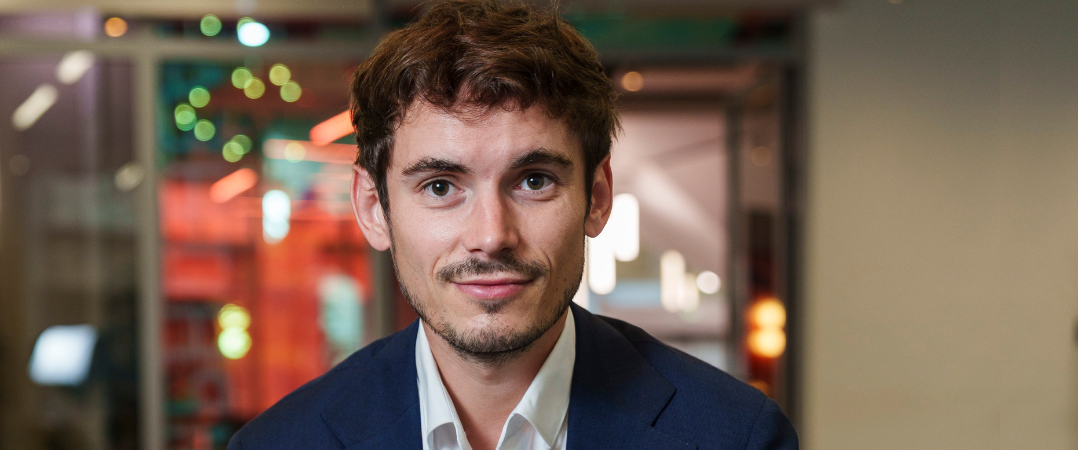
Foto: Romain Clément, CEO da ArcaScience
Muitos fundadores de start-ups sonham em anunciar uma ronda de financiamento bem-sucedida. Tornou-se uma espécie de distintivo público, uma forma abreviada de validação, dinamismo e credibilidade.
Mas, depois de construir a ArcaScience e de a ter levado, ainda que por um curto período, à rentabilidade, tendo captado apenas uma modesta ronda seed, aprendi algo que muitos empreendedores em fase inicial tendem a não compreender. O verdadeiro trabalho não é levantar capital. O verdadeiro trabalho é tornar a empresa no tipo de organização que, de facto, o merece.
O mundo da tecnologia está cheio de startups que captam capital apenas com base na ambição: apresentações ricas em visão, construídas com um talento extraordinário de storytelling e que cobrem todas as teses teóricas que se espera encontrar num pitch deck. Mas, quando se trabalha em ciências da vida, onde um único erro de avaliação pode comprometer uma década de trabalho ou atrasar uma terapêutica que pode salvar vidas, percebe-se rapidamente que a narrativa não basta. A realidade é a derradeira due diligence. No mercado atual, o capital já não é concedido apenas com base em carisma e storytelling. E o mercado, em particular os investidores, é muito mais criterioso do que a maioria dos fundadores imagina.
Com os ventos contrários que a economia global, e a tecnologia em particular, enfrentam, os fundos de venture capital querem ver o que já foi construído, quem é servido pela solução e por que razão o mundo será diferente graças ao produto. Querem perceber que a empresa já demonstrou, ainda que num contexto reduzido, que consegue provocar mudança. Acima de tudo, os investidores querem ver que foi resolvido um problema simultaneamente doloroso e inevitável, porque onde há dor não há concorrência: todas as outras soluções existentes falharam em aliviá-la. Além disso, é preciso conhecer essa dor em primeira mão e conhecê-la muito bem. E, para isso, só há um caminho: construir, vender, falhar e iterar.
O meu próprio percurso no empreendedorismo foi moldado por uma experiência pessoal muito antes de se transformar num plano de negócio. Há alguns anos, fui diagnosticado com um grande tumor cerebral. Quando se entra subitamente no sistema de saúde como paciente, vêem-se as suas falhas de uma forma completamente diferente. Deparei-me com atrasos, informação isolada ou em falta, decisões inconsistentes, incerteza em torno dos tratamentos e uma surpreendente falta de clareza sobre a relação entre risco e benefício. Estes não são problemas menores. Podem determinar se uma terapêutica chega, ou não, a um paciente.
Essa experiência mostrou-me quantos pontos cegos existem na tomada de decisões críticas e quão determinante pode ser a fricção no sistema de saúde para a vida de um paciente. Percebi que mesmo equipas altamente qualificadas não tinham as ferramentas necessárias para interpretar, de forma estruturada, enormes volumes de dados biomédicos. Estavam — e, honestamente, em muitos aspetos continuam a estar — desesperadas. Muitas terapêuticas promissoras falham não porque não funcionem, mas porque as equipas não dispõem dos insights necessários para avaliar o seu verdadeiro potencial. Foi esse o ponto de partida da empresa que construí. A motivação foi humana antes de ser técnica. E, na execução, mantive esse elemento humano no centro da ArcaScience.
Escolhi esta abordagem porque acredito que os grandes produtos exigem a humildade de reconhecer que nada é mais inteligente do que o mercado e as pessoas que o compõem. Aquilo que torna uma empresa verdadeiramente pronta para captar financiamento está na forma como executa. Demasiados fundadores tentam levantar capital antes de terem provas de que o seu produto responde a uma necessidade real. Apoiam-se numa narrativa convincente, esperando que os investidores deem um salto de fé. A verdade é que os investidores não querem dar saltos. Querem ver passos.
A pior coisa que se pode pedir a um investidor é que confie em nós
Estar pronto para captar financiamento começa por identificar um problema de forma tão clara que a audiência sente a dor quando o argumento lhe é apresentado. No nosso caso, por exemplo, quando clínicos ou decisores nos dizem repetidamente onde perdem tempo, onde lhes falta clareza e onde precisam de apoio, não há espaço para adivinhação. Está-se a construir com alinhamento. Quando se chega a esse ponto, a tração surge naturalmente, porque o mercado já está à espera da solução.
O segundo sinal de preparação é a prova. Não uma prova teórica, mas resultados mensuráveis criados muito antes de se falar com um único investidor. No meu percurso, isto significou validar a nossa abordagem com parceiros científicos, testar a tecnologia em casos reais e demonstrar melhorias tangíveis em processos que antes eram lentos ou incompletos. Significou partir o produto e, por vezes, começar do zero. Quando se consegue demonstrar resultados consistentes, a conversa com os investidores muda. Já não é preciso que acreditem numa possibilidade. É possível mostrar-lhes uma realidade.
O terceiro fator é a disciplina. Qualquer empresa consegue gastar os seus recursos em crescimento temporário. Muito poucas conseguem criar valor com pouco capital — algo em que os europeus são particularmente bons, porque tendemos a ser mais prudentes com o nosso cash burn. Pela minha experiência, isto é algo que os fundos norte-americanos valorizam. Quanto mais eficiente for o modelo de negócio antes da captação de financiamento, maior é a confiança dos investidores de que o capital adicional irá acelerar o progresso, e não compensar fragilidades.
Por fim, um fundador deve ter uma visão que faça mais do que inspirar. Uma visão deve funcionar como uma bússola que orienta prioridades, molda decisões e protege o foco. Quando a visão é genuína, a empresa gravita naturalmente para a criação de valor a longo prazo, em vez de se deixar levar pelo hype de curto prazo.
O financiamento não é o objetivo. Demasiados fundadores perseguem capital como se esse fosse o fim último. Mas levantar dinheiro não é um marco de sucesso; é um subproduto de clareza, tração e disciplina. Os investidores não querem financiar sonhos, querem financiar inevitabilidades. As startups que hoje se destacam são aquelas que resolvem problemas reais, sustentadas por resultados concretos e lideradas por pessoas que compreendem o que está em jogo nas indústrias que servem. Tornar-se “funding ready” não tem a ver com a história que se conta aos investidores. Tem a ver com a realidade que se constrói muito antes de os conhecer.
Sobrevivente de cancro cerebral, Romain Clément é CEO da ArcaScience, uma empresa de tecnologia de saúde fundada em 2018 que utiliza a inteligência artificial para melhorar a previsão, segurança e desempenho dos medicamentos. Juntamente com a sua equipa, transforma o conhecimento biomédico em insights preditivos para acelerar a I&D, reforçar a segurança do tratamento e melhor direcionar os pacientes. Também leciona na Paris I Panthéon–Sorbonne, filosofia contextualizada pela industrialização da IA, pipelines de dados e o impacto da tomada de decisão baseada em evidências.
Versão em Inglês
What Being Funding-Ready Really Means: Lessons From Building a Startup That Solves a Real Problem
Many startup founders dream of announcing a successful funding round. It has become a kind of public badge, a shorthand for validation, momentum, and credibility. But after building ArcaScience and scaling it briefly to profitability while raising only a modest seed round, I have learned something that many early-stage entrepreneurs misunderstand. The real work is not raising money. The real work is becoming the kind of company that genuinely deserves it.
The tech world is full of startups raising capital on ambition alone; decks rich in vision, crafted with incredible storytelling talent and covering all of the necessary theoretical claims that you should cover in a deck. Yet when you work in life sciences, where a single misjudgment can derail a decade of work or delay a life-saving therapy, you learn very quickly that narrative is not enough. Reality is the ultimate due-diligence. In today’s market, capital is no longer handed out on charisma and storytelling alone. And the market, especially investors, is far more discerning than most founders realize.
With the level of headwinds that the global economy and tech in particular is facing, VCs want to see what you have built, who you serve, and why the world will be different thanks to your product. They want to see that you have already proven that you have changed the world, in a micro-setting. Most importantly, investors want to see that you have solved a problem that is both painful and unavoidable, because where there is pain, there is no competition, since every other solution in existence has failed to alleviate it. Additionally, you have to know the pain firsthand and really well. And to do so, there’s only one way: build, sell, fail and iterate.
My own journey into entrepreneurship was shaped by personal experience long before it became a business plan. Years ago, I was diagnosed with a large brain tumor. When I are suddenly inside the healthcare system as a patient, I saw its flaws in a completely different light. I noticed delays, siloed or missing information, inconsistent decisions, uncertainty around treatments, and a surprising lack of clarity about risk versus benefit. These are not small issues. They can determine whether a therapy reaches a patient at all.
This experience revealed to me just how many blind spots exist in critical decision making, and how critical the friction in the healthcare system can be to a patient’s life. I realised that even highly trained teams lacked the tools to interpret vast amounts of biomedical data in a structured way. They were – and still are, honestly, in many ways – desperate. Many promising therapies fail, not because they do not work, but because teams lack the insight required to evaluate their true potential. That was the origin point of the company I built. The motivation was human before it was technical. And in my execution, I kept this human element at the heart of ArcaScience.
I chose this approach because I believe great products require the humility to recognize that nothing is smarter than the market and the humans that compose it. What makes a company truly funding-ready lies in how a business executes. Too many founders try to raise money before they have evidence that their product answers a real need. They rely on a compelling narrative, hoping that investors will take a leap of faith. The truth is that investors do not want to take leaps. They want to see steps.
The worst thing you can ask an investor is to trust you
Being funding-ready begins with identifying a problem so clearly that your audience feels the pain as you make the case to them. In our case, for instance, when clinicians or decision makers repeatedly tell you where they lose time, where they lack clarity and where they need support, there is no guessing involved. You are building with alignment. Once you reach that point, traction comes naturally because the market is already waiting for the solution.
The second marker of readiness is proof. Not theoretical proof, but measurable outcomes created long before you speak to a single investor. In my own journey, this meant validating our approach with scientific partners, pressure testing the technology with real-world cases and showing tangible improvements in processes that were previously slow or incomplete. It meant breaking the product, starting from scratch sometimes. Once you can demonstrate consistent results, the conversation with investors shifts. You no longer need them to believe in a possibility. You can show them a reality.
The third factor is discipline. Any company can spend its resources on temporary growth. Very few can create value with limited cash, something Europeans are great at, because we tend to be more cautious with our cashburn. In my experience, this is something US funds appreciate. The more efficient your business model is before fundraising, the more confident investors become that additional capital will accelerate progress rather than compensate for weaknesses.
Finally, a founder must possess a vision that does more than inspire. A vision should act as a compass that guides priorities, shapes decisions and protects focus. When the vision is genuine, the company naturally gravitates toward long-term value instead of short-term hype.
Funding is not the goal. Too many founders chase funding as if it were the goal. But raising money is not a milestone of success; it’s a byproduct of clarity, traction, and discipline. Investors don’t want to fund dreams, they want to fund inevitabilities. The startups that stand out now are the ones solving real problems, backed by real outcomes, led by people who understand the stakes of the industries they serve. Becoming “funding ready” is not about the story you tell investors. It’s about the reality you build long before you meet them.
A brain cancer survivor, Romain Clément is the CEO of ArcaScience, a healthtech company founded in 2018 that leverages artificial intelligence to enhance drug prediction, safety, and performance. Together with his team, he transforms biomedical knowledge into predictive insights to accelerate R&D, strengthen treatment safety, and better target patients. He also teaches at Paris I Panthéon-Sorbonne, where he lectures on philosophy contextualized by the industrialization of AI, data pipelines, and the impact of evidence-driven decision-making.
Comentários