Opinião
Ser Pai entre viagens
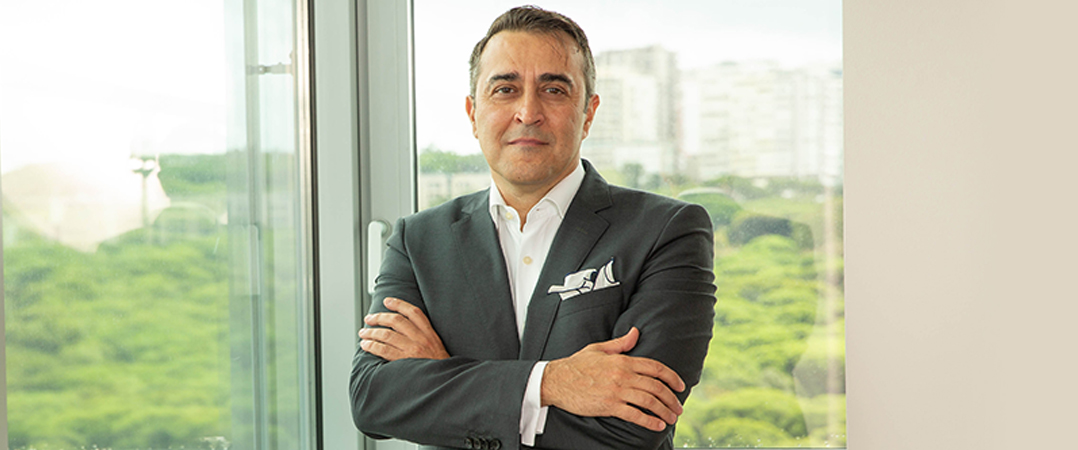
Foto: Alberto Jorge Ferreira
Há uma tensão silenciosa que se repete ciclicamente na vida de quem passa grande parte do tempo fora de casa: a mala permanentemente junto à porta, o compasso do relógio, num silêncio ensurdecedor, a lembrar a hora da partida, e um abraço emocionado que tenta ser naturalmente rápido, mas nunca é verdadeiramente leve.
Para quem vive de viagens, partir faz parte da profissão. Mas para quem é pai, cada partida carrega sempre consigo uma pequena tensão — entre a obrigação de seguir caminho e a vontade muito simples de ficar.
Durante décadas, essa tem sido uma constante na minha vida. A minha vida fora de casa começou em 1989, numa altura em que viajar significava, muitas vezes, desaparecer durante dias ou semanas para outros países, outras culturas e outros fusos horários. Mas foi apenas em 1992 que essa realidade ganhou uma dimensão diferente: a de ser pai. A partir desse momento, cada viagem deixou de ser apenas uma deslocação profissional. Passou também a ser uma ausência.
Nos primeiros anos da década de noventa, a distância tinha um peso muito concreto. Não havia videochamadas, aplicações de mensagens ou fotografias enviadas em segundos. Havia telefonemas curtos, muitas vezes caros, feitos a partir de hotéis ou cabines telefónicas. Havia horários combinados para tentar falar alguns minutos. E havia também longos períodos de silêncio, em que a única certeza era a data prevista do regresso.
Ser pai nessas circunstâncias é aprender a viver num equilíbrio imperfeito. Por um lado, a responsabilidade profissional que exige presença em diferentes geografias, reuniões que não podem ser adiadas e compromissos que implicam mobilidade constante. Por outro, a consciência de que em casa a vida continua a acontecer sem pausas: aniversários, dias de escola, pequenas conquistas e também pequenos desafios que fazem parte do crescimento.
Talvez por isso, quem vive entre viagens aprende a valorizar de forma diferente o tempo em casa. Os momentos em família deixam de ser apenas rotina. Tornam-se momentos deliberados. Um jantar, uma conversa tranquila ou uma tarde aparentemente banal passam a ter um valor especial, precisamente porque não são garantidos.
Com o passar dos anos, a tecnologia foi encurtando distâncias. Primeiro os telemóveis, depois as mensagens, hoje as videochamadas que permitem conversar quase como se estivéssemos na mesma sala. A distância física continua a existir, mas deixou de significar silêncio absoluto. Ainda assim, nenhuma tecnologia substitui verdadeiramente a presença física ou a simplicidade de partilhar o quotidiano.
Khalil Gibran escreveu em O Profeta que os filhos vêm através de nós, mas não nos pertencem. Crescem, observam e acabam por construir a sua própria forma de compreender o mundo.
Há também algo que o tempo ensina aos pais que vivem entre viagens: os filhos aprendem muito mais pelo exemplo do que pelas palavras.
No meu caso, essa aprendizagem tornou-se particularmente visível dentro da própria família. Os filhos mais velhos cresceram com um pai mais presente em casa, numa fase em que as viagens ainda não tinham o ritmo que viriam a ter mais tarde. Os mais novos cresceram já com um pai frequentemente entre aeroportos, reuniões e fusos horários diferentes.
E essa diferença nota-se inevitavelmente na forma como olham para o mundo. Os mais velhos conheceram a presença quotidiana de um pai em casa. Os mais novos cresceram a normalizar a ideia de que o mundo é maior, mais distante e mais móvel. Não é melhor nem pior — é simplesmente o reflexo natural de uma vida que foi sendo vivida em movimento.
Talvez seja essa uma das maiores lições que a paternidade nos dá: os filhos não aprendem apenas com aquilo que lhes dizemos, mas sobretudo com aquilo que nos veem fazer.
Neste Dia do Pai penso muitas vezes nisso. Porque no fim de todas as viagens, depois de todos os quilómetros percorridos e de todos os fusos horários atravessados, percebemos que a paternidade nunca fica suspensa entre partidas e regressos.
E, curiosamente, a imagem que sempre regressa é a mesma: a mala junto à porta, o relógio a marcar a hora da partida e um abraço que tenta ser breve — mas que nunca deixa de nos lembrar para onde realmente pertencemos.
Nota:
Embora este texto refira o papel do pai, a realidade descrita aplica-se naturalmente também a muitas mães que vivem longos períodos fora de casa por razões profissionais. Neste caso escrevo a partir da minha experiência pessoal — e porque esta reflexão surge no contexto do Dia do Pai.
Por Alberto Jorge Ferreira, um Pai
Versão em Inglês
Being a Father Between Journeys
There is a quiet tension that repeats itself cyclically in the life of someone who spends a large part of his time away from home: the suitcase permanently by the door, the rhythm of the clock — in a deafening silence — reminding you that it is time to leave, and an emotional embrace that tries to be naturally brief, yet never truly feels light. For those whose work involves travel, departure is simply part of the profession. But for someone who is a father, every departure carries a subtle tension — between the obligation to go and the very human desire to stay.
For decades, this has been a constant in my life. My life away from home began in 1989, when travelling often meant disappearing for days or weeks into other countries, other cultures, and other time zones. But it was only in 1992 that this reality gained a different dimension: becoming a father. From that moment on, each journey stopped being merely a professional trip. It also became an absence.
In the early 1990s, distance had a very tangible weight. There were no video calls, messaging apps, or photos sent in seconds. There were brief phone calls — often expensive — made from hotel rooms or public phone booths. There were agreed moments to try to speak for a few minutes. And there were long stretches of silence when the only certainty was the expected date of return.
Being a father under those circumstances means learning to live with an imperfect balance. On one side, the professional responsibility that demands presence in different geographies, meetings that cannot be postponed, and commitments that require constant mobility. On the other, the awareness that life at home continues without pause: birthdays, school days, small achievements, and small challenges that are all part of growing up.
Perhaps that is why people who live between journeys learn to value time at home differently. Family moments stop being routine. They become intentional. A dinner together, a quiet conversation, or an apparently ordinary afternoon begins to carry particular significance precisely because it cannot be taken for granted.
Over the years, technology shortened distances. First mobile phones, then messages, and today video calls that allow us to speak almost as if we were sitting in the same room. Physical distance still exists, but it no longer means complete silence. Even so, no technology truly replaces presence — a spontaneous hug or the simple act of sharing everyday life.
Khalil Gibran wrote in The Prophet that children come through us, but they do not belong to us. They grow, observe, and eventually build their own way of understanding the world.
There is something else time teaches fathers who live between journeys: children learn far more from example than from words.
In my case, that lesson became particularly visible within my own family. My older children grew up with a father more present at home, during a period when travelling had not yet reached the intensity it would later take on. The younger ones grew up already accustomed to a father frequently moving between airports, meetings, and time zones.
And that difference is reflected in how they see the world. The older ones experienced the daily presence of a father at home. The younger ones grew up normalizing the idea that the world is larger, more distant, and more mobile. It is neither better nor worse — simply the natural reflection of a life lived in motion.
Perhaps this is one of the most important lessons fatherhood teaches us: children do not learn only from what we tell them, but above all from what they see us do.
On this Father’s Day, I often reflect on that. Because after all the journeys, after all the kilometres travelled and time zones crossed, we eventually realize that fatherhood is never suspended between departures and returns.
And in the end, the image that always returns is the same: the suitcase by the door, the clock marking the moment of departure, and an embrace that tries to be brief — yet never stops reminding us where we truly belong.
Note:
Although this text refers to the role of a father, the reality described naturally applies as well to many mothers whose professional lives require long periods away from home. In this case, however, I write from my personal experience — and because this reflection is written in the context of Father’s Day.
By Alberto Jorge Ferreira, um Pai
Comentários