Opinião
O impacto não se mede em aplausos
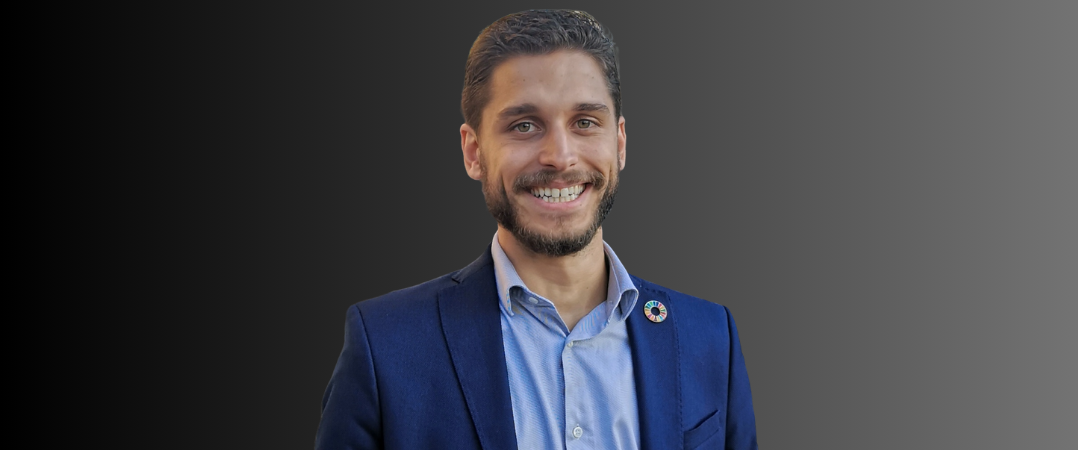
Foto: Sérgio Ribeiro, CEO e cofundador da Planetiers
Há alguns anos, eu e o Carlos Carvalho desenvolvemos um jogo para ensinar sustentabilidade às crianças. Era um pequeno projeto educativo que acabou por chegar a escolas do município de Guimarães.
Na altura, não havia delegações internacionais, grandes investidores ou reuniões ministeriais. Havia uma ideia, muita vontade de fazer diferente e a convicção de que as próximas gerações mereciam um mundo melhor do que aquele que estávamos a construir.
Em outubro deste ano regressamos a Guimarães. Desta vez, com a quinta edição do Planetiers World Gathering, reunindo líderes empresariais, investidores, inovadores e representantes de instituições de diferentes partes do mundo.
O tabuleiro cresceu bastante. Mas, curiosamente, a pergunta que nos move continua a ser a mesma: como podemos contribuir para construir um futuro melhor?
Confesso que a resposta se tornou bastante mais complexa do que imaginava.
Quando começámos a Planetiers, acreditávamos que grande parte do desafio estava em sensibilizar as pessoas, facilitar o acesso a soluções sustentáveis e inspirar novos comportamentos. E continuo a acreditar que isso é fundamental. Mas os últimos anos ensinaram-me que a consciência, por si só, não transforma uma economia.
Podemos ter as melhores ideias, os empreendedores mais brilhantes e as tecnologias mais promissoras. Se não conseguirmos ligar tudo isso às empresas que precisam de soluções, aos investidores que podem financiar a sua implementação e às instituições que criam condições para o seu crescimento, continuaremos a ter um enorme potencial por concretizar. E o potencial, por muito entusiasmante que seja, não paga salários, não constrói infraestruturas e não regenera ecossistemas.
Em 2018 escrevi aqui, no Link to Leaders, um artigo intitulado Pontes sem portagens. Defendia então que o segredo para uma mudança eficaz estava na cooperação e na nossa capacidade de ligar pessoas com vontade de fazer a diferença.
Oito anos depois, continuo absolutamente convencido disso. Mas acrescentaria hoje uma coisa: não basta construir pontes. É preciso garantir que alguém as atravessa e que, do outro lado, encontra oportunidades reais. É precisamente aqui que acredito estar um dos maiores desafios do empreendedorismo e da sustentabilidade.
Vivemos rodeados de conferências, fóruns e encontros internacionais. Todos os anos ouvimos discursos extraordinários, conhecemos projetos inspiradores e assistimos à apresentação de soluções que, teoricamente, poderiam resolver alguns dos maiores problemas do planeta.
E depois? Quantas dessas ideias conseguem financiamento? Quantas chegam ao mercado? Quantas empresas encontram efetivamente os parceiros de que precisam? Quantos projetos saem do papel?
Não faço estas perguntas para diminuir a importância dos eventos. Seria até estranho, tendo dedicado uma parte tão significativa da minha vida a organizar e participar em conferências, fóruns e encontros de diferentes dimensões. Faço-as porque acredito que temos de ser cada vez mais exigentes com aquilo que chamamos impacto.
Uma sala cheia pode ser um excelente sinal. Uma fotografia com líderes internacionais pode ajudar a abrir portas. Um grande discurso pode inspirar alguém a mudar o rumo da sua vida. Tudo isso tem valor. Mas não chega.
Em 2020, em plena pandemia, lançámos a primeira edição do Planetiers World Gathering. Foi um enorme desafio e uma demonstração de que existia uma comunidade internacional disposta a colaborar por um futuro mais sustentável.
Desde então, tivemos a oportunidade de construir relações, desenvolver iniciativas com parceiros de referência, contribuir para projetos como o INSURE.hub, com a Universidade Católica Portuguesa, e promover missões internacionais de aproximação entre empresas, instituições e investidores.
Não foi um percurso linear. Houve mudanças de estratégia, dificuldades e muitas aprendizagens pelo caminho. Mas foi precisamente esse percurso que nos ajudou a perceber que a sustentabilidade não pode continuar a ser tratada como um tema isolado das decisões económicas.
A transição energética precisa de investimento. A segurança alimentar precisa de inovação e novos modelos de produção. A gestão da água exige infraestruturas e tecnologia. A economia circular depende da transformação de cadeias de valor inteiras. E nenhuma destas transformações acontecerá à escala necessária se não conseguir ser economicamente viável.
Isto não significa colocar o lucro acima das pessoas ou do planeta. Significa compreender que precisamos de criar condições para que fazer melhor seja também uma decisão inteligente do ponto de vista económico. É por isso que vejo uma oportunidade tão importante para Portugal.
Temos talento, universidades, centros de investigação, empresas industriais e empreendedores com uma capacidade extraordinária. Mas, demasiadas vezes, falta-nos escala, acesso a capital, conhecimento de mercados internacionais ou as relações certas para transformar competência em negócio.
Ao mesmo tempo, existem investidores, empresas e governos noutros países à procura precisamente daquilo que temos para oferecer. Não será este um dos grandes desafios que deveríamos estar empenhados em resolver?
É com esta visão que estamos a preparar o Planetiers World Gathering 2026, em Guimarães, Capital Verde Europeia. Entre 21 e 23 de outubro, queremos aproximar quem identifica problemas de quem desenvolve soluções, quem precisa de investimento de quem procura boas oportunidades e quem tem ambições internacionais de quem pode ajudar a concretizá-las.
A presença dos Emirados Árabes Unidos como país convidado, no ano em que celebramos 50 anos de relações diplomáticas com Portugal, representa também uma oportunidade para aprofundar relações económicas e empresariais.
A nossa ambição vai além da ligação bilateral. Queremos contribuir para aproximar Portugal, os Emirados, o Brasil e países africanos de língua portuguesa, promovendo investimento, inovação e cooperação que gerem valor em diferentes geografias. E queremos fazê-lo a partir de Guimarães, valorizando também o conhecimento, a indústria, as empresas e a capacidade de inovação que existem no território.
Claro que três dias não chegam para concretizar grandes transformações. Nenhuma reunião garante um investimento. Nenhuma conferência resolve, por si só, um problema estrutural. Mas três dias podem ser suficientes para iniciar relações que, com trabalho e compromisso, se transformam em algo muito maior. Esse é o desafio que quero colocar a nós próprios, enquanto organizadores, mas também a todos os que participam nestes encontros.
E se, daqui a um ano, em vez de começarmos por contar quantas pessoas estiveram presentes, começássemos por perguntar quantas oportunidades foram concretizadas? Quantos projetos avançaram? Quantas empresas conseguiram entrar em novos mercados? Quantas soluções passaram a ser utilizadas? Quanto investimento foi mobilizado para criar valor económico, social e ambiental?
Alguns resultados só se tornam visíveis muito tempo depois. Outros nunca são totalmente atribuíveis a uma única conversa ou encontro. Mas isso não nos dispensa de acompanhar o que acontece a seguir. Talvez seja esse o verdadeiro teste à relevância de uma plataforma como a Planetiers.
Há quase uma década começámos por tentar ensinar sustentabilidade às crianças de Guimarães. Hoje regressamos com a ambição de ajudar a ligar empresas, capital, conhecimento e instituições de vários países.
A escala mudou. A responsabilidade também.
Continuo a acreditar, talvez mais do que nunca, no poder das pessoas que decidem colaborar para construir um mundo melhor. Mas aprendi que as boas intenções são apenas o ponto de partida.
Um evento dura três dias. A responsabilidade de quem o organiza começa, verdadeiramente, no quarto dia.
Versão em Inglês
Impact Isn’t Measured in Applause
A few years ago, Carlos Carvalho and I developed a game to teach children about sustainability. It was a small educational project that eventually reached schools in the municipality of Guimarães.
Back then, there were no international delegations, major investors or ministerial meetings. There was an idea, a strong desire to do things differently and the conviction that future generations deserved a better world than the one we were building.
This October, we return to Guimarães. This time, for the fifth edition of the Planetiers World Gathering, bringing together business leaders, investors, innovators and institutional representatives from different parts of the world.
The game board has grown considerably. But, curiously, the question that drives us remains the same: how can we help build a better future?
I must admit that the answer has become far more complex than I ever imagined.
When we started Planetiers, we believed that much of the challenge lay in raising awareness, making sustainable solutions more accessible and inspiring new behaviours. And I still believe all of that is essential.
But the past few years have taught me that awareness alone does not transform an economy.
We can have the best ideas, the most brilliant entrepreneurs and the most promising technologies. If we cannot connect them to the companies that need solutions, the investors who can fund their implementation and the institutions that create the conditions for growth, we will continue to have enormous potential left unrealised.
And potential, however exciting it may be, does not pay salaries, build infrastructure or regenerate ecosystems.
In 2018, I wrote an article here in Link to Leaders entitled Pontes sem portagens (Toll-Free Bridges). Back then, I argued that the key to meaningful change lay in cooperation and in our ability to connect people who wanted to make a difference.
Eight years later, I remain absolutely convinced of that.
But today I would add one thing: building bridges is not enough. We must make sure people cross them and find real opportunities on the other side.
And that, I believe, is one of the greatest challenges facing entrepreneurship and sustainability.
We are surrounded by conferences, forums and international gatherings. Every year, we hear remarkable speeches, discover inspiring projects and see solutions presented that, in theory, could address some of the planet’s greatest challenges.
And then what?
How many of those ideas secure funding? How many reach the market? How many companies actually find the partners they need? How many projects get off the ground?
I am not asking these questions to diminish the importance of events. That would be rather strange, having spent such a significant part of my life organising and taking part in conferences, forums and gatherings of all sizes.
I ask them because I believe we need to become increasingly demanding about what we call impact.
A full room can be an excellent sign. A photograph with international leaders can help open doors. A great speech can inspire someone to change the course of their life.
All of that has value. But it is not enough.
In 2020, in the middle of the pandemic, we launched the first edition of the Planetiers World Gathering. It was an enormous challenge, and proof that there was an international community willing to work together for a more sustainable future.
Since then, we have had the opportunity to build relationships, develop initiatives with leading partners, contribute to projects such as INSURE.hub, alongside Universidade Católica Portuguesa, and promote international missions that bring companies, institutions and investors closer together.
It has not been a linear journey. There have been changes in strategy, difficulties and many lessons learned along the way.
But it is precisely that journey that has helped us understand that sustainability can no longer be treated as an issue separate from economic decision-making.
The energy transition needs investment. Food security needs innovation and new production models. Water management requires infrastructure and technology. The circular economy depends on transforming entire value chains.
And none of these transformations will happen at the scale required unless they are economically viable.
This does not mean putting profit above people or the planet. It means understanding that we need to create the conditions for doing better to make sound economic sense as well.
That is why I see such an important opportunity for Portugal.
We have talent, universities, research centres, industrial companies and entrepreneurs with extraordinary capabilities. But all too often, we lack scale, access to capital, knowledge of international markets or the right relationships to turn expertise into business opportunities.
At the same time, there are investors, companies and governments in other countries looking for precisely what we have to offer.
Is this not one of the great challenges we should be working to solve?
This is the vision behind the Planetiers World Gathering 2026, which we are preparing in Guimarães, European Green Capital.
From 21 to 23 October, we want to connect those who identify problems with those who develop solutions, those who need investment with those seeking strong opportunities, and those with international ambitions with those who can help make them a reality.
With the United Arab Emirates as our guest country, in the year in which we celebrate 50 years of diplomatic relations with Portugal, we also have an opportunity to deepen economic and business ties.
Our ambition goes beyond the bilateral relationship. We want to help bring Portugal, the UAE, Brazil and Portuguese-speaking African countries closer together, promoting investment, innovation and cooperation that create value across different geographies.
And we want to do so from Guimarães, while showcasing the knowledge, industry, companies and capacity for innovation that already exist in the region.
Of course, three days are not enough to deliver major transformations. No meeting guarantees an investment. No conference can solve a structural problem on its own.
But three days can be enough to begin relationships that, with work and commitment, grow into something far greater.
That is the challenge I want to set ourselves, as organisers, and everyone who takes part in these gatherings.
What if, a year from now, instead of starting by counting how many people attended, we began by asking how many opportunities had actually materialised?
How many projects moved forward? How many companies entered new markets? How many solutions were put to use? How much investment was mobilised to create economic, social and environmental value?
Some results only become visible much later. Others can never be fully attributed to a single conversation or meeting. But that does not excuse us from following up on what happens next.
Perhaps that is the real test of the relevance of a platform such as Planetiers.
Almost a decade ago, we started by trying to teach sustainability to children in Guimarães. Today, we return with the ambition of connecting businesses, capital, knowledge and institutions from several countries.
The scale has changed. So has the responsibility.
I still believe, perhaps more than ever, in the power of people who choose to work together to build a better world.
But I have learned that good intentions are only the starting point.
An event lasts three days. The responsibility of those who organise it truly begins on the fourth day.
Comentários