Opinião
Lições de liderança a partir da perda

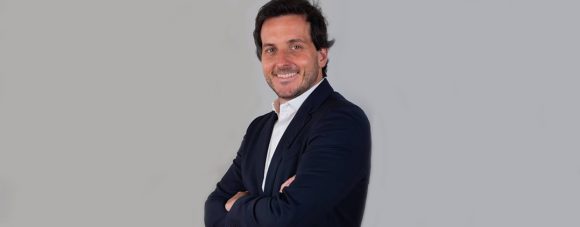
Foto: Randy M. Ataíde, investidor e consultor
Há semanas na vida e na carreira de uma pessoa que são extraordinárias, marcadas por um sucesso empresarial ou uma vitória específica. E depois há outras semanas que surgem de forma inesperada, por vezes indesejada ou até temida.
Estes momentos, sejam de triunfo ou de tragédia, deixam-nos permanentemente transformados. A partir daí, especialmente no caso da perda pessoal, a carreira e as decisões que tomamos passam a ser inexoravelmente moldadas por essas experiências.
Recentemente, estive na costa de Pebble Beach, na Califórnia, rodeado pela sua beleza deslumbrante num dia luminoso, juntamente com os familiares mais próximos que amavam o meu irmão. Ele também teve uma carreira empreendedora de sucesso e, em muitos aspetos, era melhor do que eu nas competências sociais e relacionais tão essenciais nos negócios. O ar fresco do Pacífico e as magníficas florestas da região estendiam-se à nossa volta, lembrando-nos da sua indiferença e eternidade, enquanto nos despedíamos dele em família. E, do outro lado do oceano, em Portugal, poucos dias antes, o meu amigo e também empreendedor Tim Viera fazia o mesmo pela sua extraordinária esposa, Lídia. Duas celebrações de vida. Duas perdas profundas. Duas ausências que não serão preenchidas. E uma coincidência estranha e quase providencial que me levou a escrever aquilo que durante muito tempo resisti a pôr em palavras.
Ao despedirmo-nos, após um longo e belo dia em família, a esposa do meu irmão entregou-me uma caixa cheia de fotografias e alguns documentos familiares, muitos dos quais eu nunca tinha visto. Ao revê-los nos dias seguintes, percebi que, ao longo de muitos anos a ensinar, falar e escrever sobre negócios, liderança e empreendedorismo, raramente — ou talvez nunca — tinha parado para escrever sobre a perda. E, francamente, no mundo do empreendedorismo, normalmente não o fazemos. A linguagem do empreendedorismo conjuga-se quase exclusivamente no futuro — crescimento, expansão, disrupção, oportunidade. Escrevemos sobre começos. Sobre mudanças de rumo e adaptações. A perda deixa-nos desconfortáveis porque implica um fim, e os fins não fazem parte da narrativa que contamos sobre construir algo. Mas fazem. Sempre fizeram.
Há vinte e sete anos, o meu cofundador e parceiro de negócios morreu, juntamente com a sua esposa e dois filhos, num acidente de viação. Esta tragédia ocorreu pouco tempo depois da morte do meu pai, Richard, e do meu melhor amigo, Dave. Recordo os dias que se seguiram como uma espécie de irrealidade suspensa: a empresa que tínhamos construído continuava a exigir atenção, tinha colaboradores, tinha responsabilidades. Eu continuava a olhar o mundo através da lente da vida, mas tudo estava enevoado e nunca mais voltaria a ser tão claro como antes.
A longa época de colheita da agricultura na Califórnia estava prestes a começar. Aprendi que o luto não negocia com a folha salarial. Clientes, investidores e bancos podem aparentar compreensão e paciência, mas isso é muitas vezes ilusório. E não existia qualquer manual de negócios para continuar sem a pessoa que tinha sido o meu colega, o meu contraponto, o meu companheiro na tarefa de construir algo a partir do nada. No nosso caso, literalmente a partir da terra de um pomar de pessegueiros de dez acres, criámos um negócio que, 32 anos depois, ainda prospera, muito depois de eu ter saído.
O que descobri nesse período doloroso foi algo que nenhuma escola de negócios ensina e nenhum programa de mentoria aborda: a perda é, na verdade, uma das forças mais esclarecedoras disponíveis para um líder. Não porque nos eleve automaticamente — não o faz — mas porque elimina o ruído. Quando alguém próximo como um familiar ou um amigo desaparece, desenvolve-se quase instintivamente a capacidade de distinguir o que é real do que é encenação. Tornamo-nos, em certos aspetos, extremamente pacientes e, noutros, profundamente impacientes. Mas podemos tornar-nos, se o permitirmos, mais sábios na forma como investimos o único recurso que não pode ser reposto. Tempo.
Tenho 68 anos. Perto do final da celebração em memória do meu irmão, a minha esposa reuniu os irmãos e primos que restavam para uma fotografia. Há sessenta anos, essa mesma fotografia mostrava uma grande e vibrante família luso-americana, um verdadeiro exemplo de sucesso da emigração. Hoje, éramos apenas sete Ataídes na fotografia. Os meus avós, pais, tios e tias já partiram há muitos anos. Ambos os meus irmãos — que morreram de forma súbita, sem oportunidade de despedida — também já não estão. Carrego estas experiências não exatamente como feridas, mas como uma espécie de clima interior, sempre presente, que muda com as estações daquilo que estou a construir ou a enfrentar em cada momento.
O que mais me impressiona, nesta fase da vida, nas sombras crescentes de uma carreira profissional com mais de 50 anos, é a relação peculiar que tenho com o tempo. É simultaneamente um recurso precioso a investir e algo que sinto vontade de guardar. Quero usá-lo generosamente — em trabalho com significado, nas pessoas que amo, em ideias e visões que valem a pena. Mas estou também consciente, de uma forma que o meu “eu” mais jovem não conseguia alcançar, da sua velocidade. Os anos não pareceram longos. Em retrospetiva, parecem surpreendentemente curtos.
É isto que mais gostaria de transmitir a quem ainda não viveu uma perda significativa, ou mesmo a quem já a viveu — e quero fazê-lo sem a condescendência que muitas vezes acompanha reflexões sobre a mortalidade. Não estou a sugerir que vivam à sombra dos fins, nem a recomendar uma análise mórbida dos dias. O que proponho é algo mais ativo e exigente: segurem as coisas com leveza. Não de forma descuidada, mas com leveza. Quanto mais tentamos controlar resultados e criar uma visão perfeita do que queremos, maior é a probabilidade de ferirmos os outros e a nós próprios.
Construímos as nossas organizações como se elas — e nós — fossem durar indefinidamente. A perda ensina o contrário. Não que nada importe — pelo contrário. Mas que o nosso domínio sobre aquilo que consideramos essencial é mais frágil do que admitimos. A sua presença é um presente que pode ser retirado sem aviso e sem recurso.
O que fazer com este conhecimento, na prática, enquanto líder e empreendedor?
Dizer o que importa, enquanto ainda se pode dizer. Construir organizações que não dependam exclusivamente da nossa presença insubstituível. Partilhar conhecimento com generosidade, porque aquilo que sabemos não é verdadeiramente nosso; foi construído a partir das contribuições de todos os que nos moldaram, incluindo aqueles que já não estão. Tomar decisões com um horizonte mais alargado do que os resultados trimestrais, porque já estivemos em funerais suficientes para saber que há mais do que números. E, talvez o mais importante: permitir que o luto tenha lugar. Não como indulgência, mas como contexto do que realmente importa.
Duas celebrações de vida, junto a dois grandes oceanos, para duas pessoas extraordinárias, tudo na mesma semana. Tim — tu em Lisboa, eu em Pebble Beach — a mesma semana com um peso semelhante. Imagino que a Lídia e o meu irmão Rick teriam algo sábio a dizer sobre tudo isto. Acredito que já o disseram. No fim de contas, passei a acreditar que aquilo que vivemos esta semana é o início de toda a liderança genuína — não a certeza de que vamos ter sucesso, mas a humildade de saber que estamos a construir perante a impermanência, e ainda assim escolher continuar a construir.
Versão em Inglês
Leadership Lessons from Loss
There are weeks in one’s career and life that are spectacular from a particular business success or victory.And then there are other weeks that arrive unexpectedly and even perhaps unwanted or even dreaded. These kinds of weeks, be they triumphs or tragedies, leave you permanently altered. From that moment forward, in particular with personal loss, your career and the decisions you make from that point forward are inexorably shaped by them.
This past weekend, I stood on the coast of Pebble Beach, California, in its stunning beauty on a sun-splashed day, surrounded by my closest family members who loved my brother. He too had a successful entrepreneurial career, and was in many ways so much better than I am at the social and relational skills that are so essential in business. The cool air of the Pacific and the wonderful forests of the area were just out past our locale, reminding us that they are largely indifferent and eternal, as we said goodbye as a family to my brother. And across the ocean, in Portugal, just days earlier, my friend and fellow entrepreneur Tim Viera had done the same for his beautiful and amazing wife Lidia. Two celebrations of life. Two profound losses. Two absences that will not be filled. And a strange, fortuitous convergence that compelled me to write what I have long resisted putting into words.
As we departed after the long and lovely day together as a family, my brother’s spouse handed me a box full of family pictures and even some documents, most of which I had not ever seen before. As I sorted through them the past few days, I recalled that In many years of teaching, speaking, and writing about business, leadership, and enterprise, I have rarely if ever paused to write about loss. And frankly, in our world of entrepreneurship we typically wouldn’t. The grammar of entrepreneurship is almost exclusively conjugated in the future tense — growth, expansion, disruption, opportunity. We write about beginnings. About our pivots and adjustments. Loss makes us uncomfortable because it implies an ending, and endings are not supposed to be part of the story we tell about building things. But they are. They always have been.
Twenty-seven years ago, my co-founder and business partner died alongside his wife and two sons in a car accident. This particular tragedy followed in short succession after the death of my father Richard and my best friend Dave. I remember those days that followed as a kind of suspended unreality — the enterprise we had built together still demanded attention, still had employees, still had obligations. I was still looking through the lens of life at the world but it was cloudy and would no longer be as clear as it had ever seemed before. The long harvest season of California agriculture was only days away from commencing. Grief, I learned, does not negotiate with payroll. Customers, investors, and banks may feign understanding and patience, but this is often illusory. And there was simply no business guide or manual for continuing without the person who had been my colleague, my counterweight, my companion in the long work of building something from nothing. For us, it was literally out of the dirt of a ten-acre peach orchard to create a business that 32 years later still thrives, long after I have departed its confines.
What I discovered in that painful crucible was something no business school teaches and no mentorship program covers: that loss is, in fact, one of the most clarifying forces available to a leader. Not because it ennobles us automatically — it does not — but because it strips away the noise. When something such as a close familial or friendship disappears, you develop an almost involuntary instinct for distinguishing what is real from what is performance. You become in some ways extremely patient and in other settings grossly impatient. But you can become, if you allow it, wiser about where to invest the one resource that cannot be replenished. Time.
I am 68 years old. Near the end of the family celebration for my brother, my wife gathered us remaining siblings and cousins together for a photo. Sixty years ago, the same picture showed a sprawling and boisterous Portuguese-American family who were in many ways a success story for immigrants. But now, there were but seven of us Ataídes in the photograph. My grand-parents, parents, aunts and uncles are gone now for many years. Both of my brothers — each of whom died suddenly without opportunity for a goodbye— are gone. I carry these experiences not as wounds exactly, but as a kind of interior weather, always present, shifting with the seasons of whatever I happen to be building or struggling with in a given moment.
What strikes me most, at this point in life, in the deepening shadows of a professional career that now spans over 50 years, is the peculiar relationship I have with time. It is simultaneously a premium to invest and something I find myself wanting to hoard. I want to spend it generously — on work that matters, on people I love, on ideas and visions worth fighting for. And yet I am aware, in a way that younger versions of myself could not access, of its velocity. The years have not felt long. They have felt, in retrospect, startlingly brief.
This is the thing I most want to convey to those reading this who have not yet experienced significant loss, or even for those that have, and I want to convey it without the condescension that often accompanies wisdom about mortality. I am not suggesting you live in the shadow of endings. I am not recommending a morbid audit of your days. What I am suggesting is something more active and more demanding than that. Hold things lightly. Not carelessly but rather lightly. The more you try to control outcomes and create a perfect vision of what you have in mind, the more likely you are to wound others as well as yourself along the way. We build our enterprises as though they, and we, will endure indefinitely. Loss teaches you otherwise. Not that nothing matters — the opposite, in fact. But that our grip on everything we consider essential is more tentative than we acknowledge. Their presence is a gift that can be withdrawn without notice, without appeal.
What do you do with that knowledge, practically, as a leader and an entrepreneur?
You say the things that matter while you can say them. You build organizations that do not depend entirely on your own irreplaceable presence. You mentor generously, because the knowledge you carry is not truly yours; it was assembled from the contributions of everyone who shaped you, including those who are no longer here. You make decisions with a longer horizon than quarterly results, because you have stood at enough gravesides to know that something other than a balance sheet matters. And perhaps most importantly: you permit grief its place in the room. Not as an indulgence, but as context about what mattered.
Two celebrations of life, adjacent to two great oceans, for two wonderful and giving people, all in the same week. Tim — you in Lisbon, me in Pebble Beach, the same week with a similar weight. I imagine Lidia and my brother Rick would have had something wise to say about all of this. I believe they already did. Ultimately, I have come to believe that what we have experienced this week is the beginning of all genuine leadership — not the certainty that we will succeed, but the humility to know that we are building in the face of impermanence, and choosing to build anyway.
Comentários