Opinião
O investimento começa antes do dinheiro
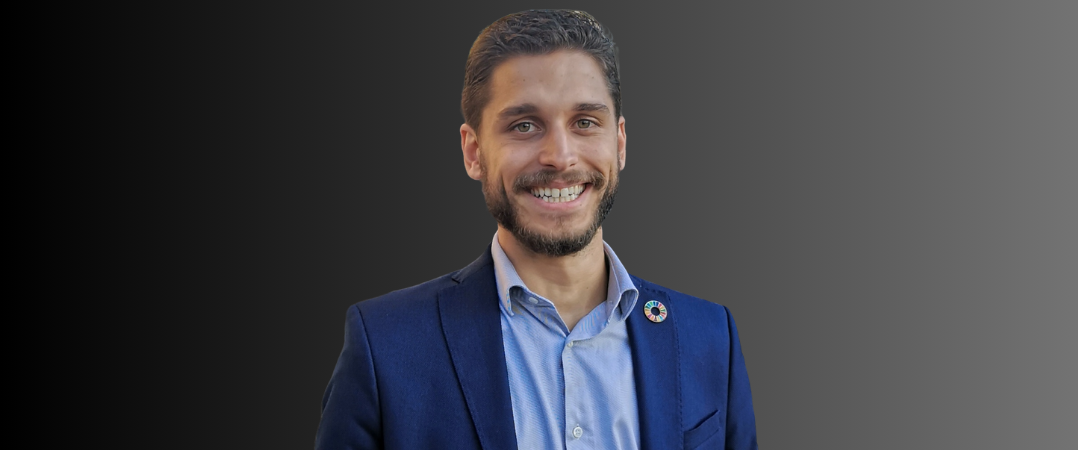
Foto: Sérgio Ribeiro, CEO e cofundador da Planetiers
Quando falamos de investimento, começamos quase sempre pelo dinheiro. Quanto é preciso? Quem pode investir? Quando chega? Mas tenho-me feito cada vez mais uma pergunta anterior a todas estas: o que tem de acontecer antes de alguém querer investir?
No meu último artigo, escrevi que o impacto não se mede em aplausos. Depois do Planetiers World Gathering 2026, em Guimarães, esta ideia ganhou outra dimensão: uma boa conversa pode abrir uma porta, mas é o trabalho seguinte que permite atravessá-la.
Entre 21 e 23 de outubro, reunimos empresários, investidores, investigadores e representantes governamentais num território de forte identidade industrial, que este ano é Capital Verde Europeia. O objetivo não era simplesmente colocar pessoas na mesma sala. Era aproximar necessidades reais, conhecimento, capital e capacidade de execução.
E isso é bem mais difícil do que parece.
Um investigador pode ter uma solução promissora. Uma empresa pode precisar dela, mas não conseguir assumir sozinha o risco de a testar. Um investidor pode reconhecer o potencial, mas exigir escala e condições que ainda não existem. Uma entidade pública pode ter instrumentos úteis, mas não fazer parte da conversa.
Todos têm uma parte da resposta, embora falem linguagens diferentes: validação, clientes, risco, retorno, emprego. Talvez uma das funções mais importantes de plataformas como a Planetiers seja precisamente esta: traduzir essas prioridades e transformá-las num plano comum.
Nas conversas sobre têxteis, Isabelle Lefort, da Paris Good Fashion, destacou o potencial de Portugal na produção sustentável europeia. Thorsten Harstall lembrou a qualidade industrial e de design da região, mas também os desafios da valorização comercial e do financiamento. Não basta saber produzir melhor. É preciso chegar ao mercado, encontrar clientes e criar condições para crescer.
O mesmo princípio esteve presente no debate sobre financiamento, moderado por Satya Tripathi, da Global Alliance for a Sustainable Planet, com Mitch Reznick, da Federated Hermes, Ranajoy Basu, da Squire Patton Boggs, e Luís Guimarães, do Banco Português de Fomento. Falou-se da importância de ajustar os instrumentos financeiros ao risco, à escala e ao tempo de maturação de cada projeto.
A conclusão que retiro é simples: não basta explicar porque é que uma solução faz falta ao mundo. É preciso mostrar como funciona, quem a vai utilizar e de que forma poderá ser financeiramente viável. O propósito não perde importância. Ganha estrutura.
A presença de representantes dos Ministérios da Economia e Turismo e do Investimento dos Emirados Árabes Unidos, bem como do embaixador em Portugal, no ano dos 50 anos de relações diplomáticas, reforçou outra convicção: o nosso país não tem de ser apenas um destino de capital. Pode ser um parceiro ativo na criação de projetos internacionais, levando conhecimento, tecnologia e indústria a mercados que precisam dessas capacidades.
A formalização de uma nova sociedade associada à First Spoon, no contexto do encontro, ilustra essa ambição. Com gestão e coordenação a partir de Portugal e atividade comercial prevista na Nigéria, o projeto aproxima agricultura regenerativa e alimentação infantil. Ainda não é um resultado económico consolidado. Mas é uma passagem importante: de uma oportunidade discutida a uma estrutura criada para a desenvolver.
É nesse espaço, entre a intenção e a execução, que vejo hoje grande parte do nosso trabalho. Não apenas apresentar pessoas, mas identificar necessidades, alinhar interesses, criar condições e acompanhar compromissos. E reconhecer, quando necessário, que uma oportunidade ainda não está preparada.
É esta a estratégia que queremos consolidar na Planetiers. Mais do que organizar um encontro anual, pretendemos atuar como um grupo de trabalho permanente, dedicado a identificar e fazer a curadoria de oportunidades de negócio, estruturar parcerias e mobilizar capital para viabilizar projetos e ajudar empresas a ganhar escala.
O Planetiers World Gathering é a plataforma que reúne estes intervenientes, acelera relações e abre portas a novos mercados. Mas é o trabalho desenvolvido antes e depois que permite transformar essas oportunidades em negócios concretos. A nossa ambição é contribuir para que o investimento e o crescimento empresarial se traduzam também em desenvolvimento económico, social e ambiental nos territórios.
Nem todas as reuniões darão origem a investimentos. Mas podemos começar por exigir mais do que um «temos de fazer alguma coisa juntos». Um problema definido, responsabilidades atribuídas e um próximo passo acordado já fazem a diferença.
Saio de Guimarães com a convicção de que a competitividade de um território também depende da sua capacidade de fazer trabalhar em conjunto empresas, universidades, instituições e investidores. Cada um traz uma peça. O valor está em conseguir encaixá-las.
O dinheiro continuará a ser indispensável. Mas precisa de encontrar, antes de mais, um projeto com sentido e pessoas capazes de o concretizar.
Porque, muitas vezes, o que falta para concretizar uma oportunidade não é apenas capital. São as pessoas certas, à mesma mesa, dispostas a transformar uma ideia num compromisso.
Versão em Inglês
Investment Doesn’t Start With Money
When we talk about investment, we almost always start with the money. How much is needed? Who might invest? When will it arrive? But increasingly, I find myself asking an earlier question: what needs to happen before anyone is willing to invest?
In my last article, I wrote that impact isn’t measured in applause. After Planetiers World Gathering 2026 in Guimarães, that idea took on another dimension: a good conversation can open a door, but it is the work that follows that allows us to walk through it.
From 21 to 23 October, we brought together business leaders, investors, researchers and government representatives in a city with a strong industrial identity, this year’s European Green Capital. The goal was not simply to get people into the same room. It was to connect real needs, knowledge, capital and the ability to deliver.
And that is much harder than it sounds.
A researcher may have a promising solution. A company may need it, but be unable to take on the risk of testing it alone. An investor may see its potential, yet require scale and conditions that do not exist yet. A public institution may have useful support mechanisms without being part of the conversation.
Each holds part of the answer, but they speak different languages: validation, customers, risk, returns, jobs. Perhaps one of the most important roles of platforms like Planetiers is precisely this: translating those priorities into a shared plan.
In the discussions on textiles, Isabelle Lefort of Paris Good Fashion highlighted Portugal’s potential in European sustainable production. Thorsten Harstall pointed to the region’s industrial and design expertise, but also to the challenges of capturing commercial value and securing finance. Being able to produce better is not enough. We need to reach markets, find customers and create the conditions for growth.
The same principle emerged in the funding discussion, moderated by Satya Tripathi of the Global Alliance for a Sustainable Planet, with Mitch Reznick of Federated Hermes, Ranajoy Basu of Squire Patton Boggs, and Luís Guimarães of Banco Português de Fomento. The conversation explored the importance of matching financial instruments to each project’s risk, scale and development timeline.
My takeaway is simple: explaining why the world needs a solution is not enough. We must show how it works, who will use it and how it can become financially viable. Purpose does not become less important. It gains structure.
The participation of representatives from the UAE Ministries of Economy and Tourism and of Investment, as well as the UAE Ambassador to Portugal, in the year marking 50 years of diplomatic relations, reinforced another conviction: Portugal should not merely be a destination for capital. It can be an active partner in developing international projects, bringing knowledge, technology and industrial capabilities to markets that need them.
The establishment of a new company associated with First Spoon during the gathering illustrates that ambition. With management and coordination based in Portugal and commercial activity planned in Nigeria, the project brings together regenerative agriculture and infant nutrition. This is not yet an established economic success. But it is an important step from discussing an opportunity to creating a structure capable of developing it.
It is in that space between intention and execution that I now see much of our work. Not merely introducing people, but identifying needs, aligning interests, creating the right conditions and following through on commitments. And recognising, when necessary, that an opportunity is not yet ready.
This is the strategy we aim to consolidate at Planetiers. Beyond organizing an annual gathering, our ambition is to operate as a permanent, action-oriented working group, focused on identifying and curating business opportunities, structuring strategic partnerships, and mobilizing capital to bring projects to life and help businesses scale.
The Planetiers World Gathering serves as the platform that brings these stakeholders together, accelerates connections, and opens doors to new markets. But it is the work carried out before and after the event that transforms these opportunities into tangible business outcomes. Our ambition is to ensure that investment and business growth also translate into meaningful economic, social, and environmental development across territories and communities.
Not every meeting will lead to an investment. But we can expect more than a vague ‘we should do something together’. A defined problem, clear responsibilities and an agreed next step already make a difference.
I leave Guimarães convinced that a region’s competitiveness also depends on its ability to bring companies, universities, institutions and investors together. Each brings a piece of the puzzle. The value lies in making those pieces fit.
Money will remain essential. But first, it needs to find a worthwhile project and people capable of bringing it to life.
Because, very often, what is missing to turn an opportunity into reality is not just capital. It is the right people, around the same table, willing to turn an idea into a commitment.
Comentários